Commit No Nuisance
Decoding London’s Most Polite Insult: The Story Behind “Commit No Nuisance”
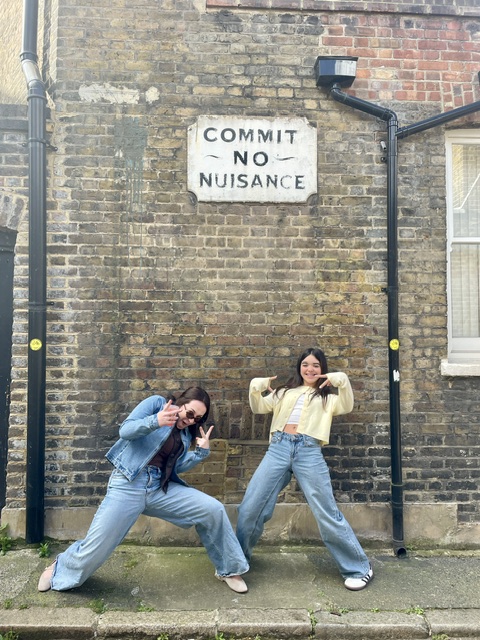
If you wander through the historic side streets of Southwark or Spitalfields, you might catch sight of a faded Victorian relic: a stone plaque or painted brick sign that reads, with maximum British politeness, “Commit No Nuisance”.
While it sounds like a sweeping, poetic command to stop causing trouble, it actually targeted one incredibly specific, messy habit.
The phrase was a Victorian-era euphemism explicitly warning public passers-by not to urinate or defecate against the walls. Long before London had an established network of public toilets or indoor household plumbing, these signs served as the front line of defence for frustrated property owners battling the “wild toileting” of the city’s crowded streets.
The Secret Meaning of “Nuisance”
To the modern eye, the word “nuisance” brings to mind playing loud music, littering, or general mischief. However, in the 18th and 19th centuries, “committing a nuisance” was the widely understood legal and social code for relieving oneself in public.
The language was intentionally delicate to protect the sensibilities of Victorian society, but its placement left no room for misunderstanding. The notices were systematically placed exactly where the offences happened:
- Shaded alleyways
- Dark church alcoves
- Bridge brickwork
- Factory side-walls
The London County Council General Powers Act of 1892 codified this by explicitly forbidding any “nuisance on any bridge or against the wall”. Because it is quite difficult to commit most other standard nuisances directly against a wall, the physical context made the target of the law hilariously obvious.
Where Can You Still Spot Them?
While modern street furniture and public plumbing have rendered these signs obsolete, a couple of defiant survivors still cling to London’s brickwork.
Doyce Street
Located on the back wall of the old Borough Welsh Congregational Chapel, you can find two incredibly well-preserved stone signs built directly into the structure.
Christ Church Spitalfields
Keep your eyes peeled around the exterior walls of this historic East End church to find another classic example etched into the stone.
A Legacy Left on the Streets
The rigid, formal tone of the signs has turned them into a source of affection and humour for modern Londoners. They have inspired everything from art installations at the London Design Festival—where graphic designers flipped the script to create “Commit Some Nuisance” flags—to local cocktail bars naming themselves after the phrase.
The next time you explore the city and need to track down a proper restroom, you can politely announce to your companions that you need to find somewhere to avoid “committing a nuisance”.